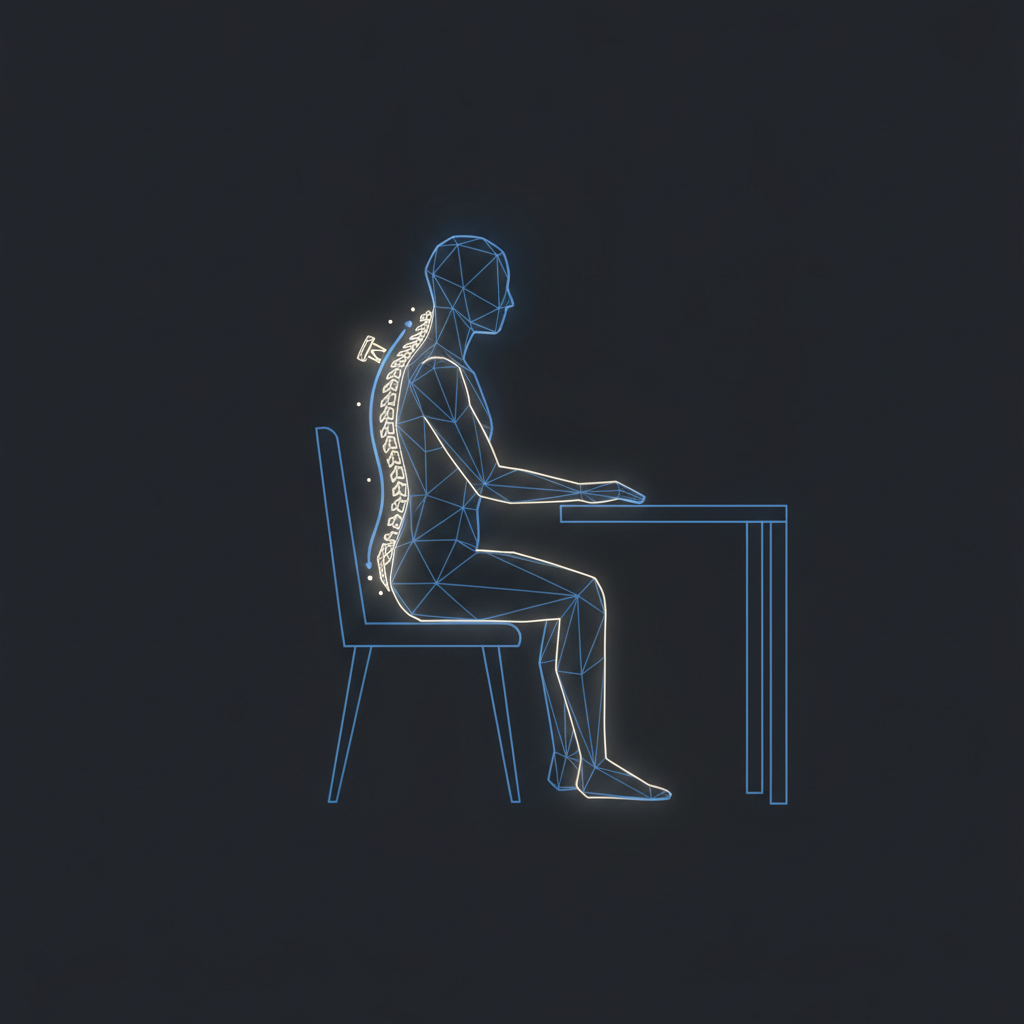
The fastest way to know if you need a posture corrector is simple: notice where your shoulders are right now. If they’ve crept forward toward your keyboard, a posture corrector device or a short daily exercise routine may help you rebuild awareness of a more neutral position.
Hybrid and remote work have made the home desk setup a permanent fixture for millions of people, and with it, a familiar set of complaints: rounded shoulders, a forward head position, and a nagging ache between the shoulder blades by mid-afternoon. Wearable posture correctors and brace-style devices have become a popular first step, promising a gentle nudge back to a more upright position throughout the workday.
But devices alone rarely solve the underlying issue. Slouching at a desk is usually a strength and habit problem as much as an awareness problem, which is why the exercises below matter as much as the product picks.
A quick note before diving in: posture correctors and exercises are aids for everyday slouching and postural awareness, not treatments for diagnosed spinal conditions, chronic pain, or injuries. If you have existing back or neck pain, a diagnosed spinal condition, or pain that doesn’t improve with rest, talk to a doctor or physical therapist before starting a new device or exercise routine.
Posture correctors compared
| Product | Price Range | Key Feature | Who It’s For |
|---|---|---|---|
| Upright GO | $70-$100 | Small wearable sensor with vibration feedback when you slouch | Desk workers who want a discreet, screen-free reminder system |
| SmartBackBrace | $25-$45 | Adjustable back-brace style corrector with figure-8 strap design | People who want a physical, always-on reminder without electronics |
| BackEmbrace | $25-$40 | Lightweight brace with breathable material for extended wear | Those who want brace support during specific tasks, like long calls or commutes |
Upright GO: wearable feedback device
Upright GO is a small sensor worn on the upper back that uses vibration to alert you when you slouch past a calibrated threshold. Because it relies on a felt cue rather than a visible brace, it’s designed to work discreetly during video calls or in shared office spaces. User reports and product documentation describe a companion app that tracks posture trends over the day, which some people find useful for building longer-term awareness.
Feedback-based wearables like this are associated with increased short-term postural awareness in some studies, though the effect on long-term habits appears to depend on consistent daily use. Reported limitations include recalibrating as sitting position changes and remembering to charge and reapply the device each morning. It tends to suit people who prefer a subtle nudge over a physical constraint and are comfortable pairing a device with a smartphone app.
SmartBackBrace: brace-style corrector
SmartBackBrace uses an adjustable figure-8 strap design that pulls the shoulders back into a more neutral alignment while worn. Unlike a sensor-based device, it works through gentle physical resistance rather than a feedback alert, which some people find easier to understand without an app or calibration step.
Brace-style correctors like this are commonly recommended for short, targeted wear (an hour or two at a stretch) rather than all-day use, since prolonged brace wear may lead muscles to rely on the support rather than building their own strength. It’s worth pairing with the exercises later in this guide rather than using it as a standalone fix. This style tends to suit people who want an immediate, physical reminder to sit up straight during specific stretches of the day, such as a long meeting block.
BackEmbrace: lightweight support brace
BackEmbrace takes a similar brace-based approach to SmartBackBrace but focuses on breathable, lightweight materials intended for longer wear sessions, including during a commute or while doing light chores. Its strap system is adjustable to fit under or over clothing depending on preference.
As with other brace-style correctors, product documentation and user reports suggest it’s best used in shorter, intentional sessions rather than as an all-day substitute for postural muscle strength. Some users report it useful specifically during activities that tend to encourage slouching, like driving or standing at a counter.
Desk-worker posture exercises that may help
Devices can prompt better positioning in the moment, but building the muscular endurance to hold that position without a reminder generally comes down to targeted exercise. The following moves are commonly recommended by physical therapists and trainers for desk-related postural patterns; they’re associated with improved postural endurance and reduced slouching in some studies, particularly when done consistently over weeks rather than as a one-time fix.
Chin tucks
Sit or stand tall, then gently draw your chin straight back (like making a double chin) without tilting your head up or down. Hold for 3-5 seconds and repeat 10-15 times. This targets the deep neck flexors that tend to weaken with a forward head position from prolonged screen use.
Band pull-aparts
Holding a light resistance band with both hands at chest height, pull the band apart by squeezing the shoulder blades together, then return slowly. Aim for 2-3 sets of 12-15 reps. This move targets the mid-back and rear-shoulder muscles that counteract the forward-rounded shoulder position common at a keyboard, and it’s a natural entry point if you want to build a broader strengthening routine; our guide to the best resistance bands for home training covers band options and resistance levels in more detail.
Doorway chest stretch
Stand in a doorway with forearms braced against the frame at roughly shoulder height, then lean gently forward until you feel a stretch across the chest. Hold for 20-30 seconds and repeat 2-3 times. Tight chest muscles are commonly cited as a contributor to rounded-shoulder posture, and this stretch is a low-effort way to work against that daily.
Wall angels
Stand with your back, head, and arms against a wall, arms bent at 90 degrees like a goalpost shape. Slowly slide your arms up and down while keeping contact with the wall as much as possible. This exercise combines a stretch with light strengthening for the upper back and shoulders, and it’s often used as a posture-awareness drill because it makes rounded shoulders immediately obvious.
Seated scapular squeezes
While seated at your desk, squeeze your shoulder blades together and hold for 5 seconds, then release. Repeat 10-12 times every hour or two. Because it requires no equipment and takes under a minute, this is one of the easier habits to build into a workday, and it pairs well with a vibration-feedback device like Upright GO as a physical follow-up to the alert.
None of these exercises are a substitute for a broader strength routine. If you’re building out a more complete home strengthening habit that includes these movement patterns, our guide to adjustable dumbbells for space-saving strength training is a reasonable next step for equipment that supports both posture work and general upper-body training once bodyweight and band work start to feel easy.
Buyer’s guide: choosing between devices and exercise
Most people get better results treating posture correctors and exercise as complementary rather than choosing one over the other. A device can help you notice slouching in real time; the exercises build the strength to hold a better position once you notice it.
- If you spend most of your day on video calls or in shared spaces, a discreet sensor-based wearable like Upright GO may fit better than a visible brace.
- If you want a simple, no-app solution for specific tasks, a brace-style corrector like SmartBackBrace or BackEmbrace can offer a more immediate physical cue.
- If you’re dealing with mild, habit-based slouching rather than pain, starting with the exercise routine alone (no device) is a reasonable, low-cost first step.
- Wear time matters. Brace-style devices are generally intended for shorter, targeted sessions; check the manufacturer’s guidance rather than wearing any brace all day, every day.
- Consistency beats intensity. Five minutes of exercises daily is likely to do more for long-term posture than an occasional long session.
Common pitfalls to avoid: relying on a brace as a permanent fix instead of a temporary reminder, skipping the strengthening side entirely, and expecting any device or exercise routine to resolve pain that hasn’t been evaluated by a professional.
Frequently asked questions
Can a posture corrector fix bad posture permanently?
Not on its own. Posture correctors are best understood as awareness tools; they may help you notice and correct slouching in the moment, but lasting change generally depends on strengthening the muscles that hold a neutral position, which is why pairing a device with exercises tends to work better than either alone.
How long should I wear a posture brace each day?
Most brace-style correctors are designed for shorter sessions of an hour or two rather than all-day wear, since prolonged reliance may reduce the muscle engagement needed to hold posture unaided. Always follow the specific product’s guidance.
Are posture correctors safe to use every day?
For most people without existing spinal issues, occasional or scheduled daily use as directed by the manufacturer is generally considered low-risk. If you have a diagnosed back or neck condition, are pregnant, or have chronic pain, check with a doctor or physical therapist before adding a corrective device to your routine.
Do posture exercises work if I only have five minutes a day?
Short, consistent sessions are commonly recommended over infrequent long ones. A daily five-minute routine covering chin tucks, scapular squeezes, and a chest stretch is a reasonable starting point and is associated with gradual improvement in postural endurance in some research.
Will a posture corrector help with existing back pain?
Posture correctors are generally intended for everyday postural awareness, not as a treatment for existing pain or diagnosed conditions. If you have ongoing back or neck pain, consult a doctor or physical therapist before using a corrective device or starting a new exercise routine.
What’s the difference between the brace-style options and a wearable sensor?
Brace-style correctors like SmartBackBrace and BackEmbrace use physical straps to pull the shoulders into alignment, offering a constant tactile reminder. Sensor-based wearables like Upright GO use vibration feedback tied to your actual movement, which some people find less restrictive but requires charging and app setup.
Bottom line
For most desk workers, the most effective approach combines a lightweight reminder, whether a wearable sensor or a brace worn during specific tasks, with a short daily exercise routine targeting the upper back, shoulders, and neck. Upright GO suits people who want a discreet, app-connected nudge; SmartBackBrace and BackEmbrace suit those who prefer a simple physical brace for targeted wear. None of the three replace the basics: chin tucks, band pull-aparts, doorway stretches, wall angels, and scapular squeezes, done consistently, are what tend to build the strength that holds better posture in place once the device comes off.
If ongoing pain, numbness, or a diagnosed condition is part of the picture, a doctor or physical therapist should be the first stop rather than a device or exercise routine.