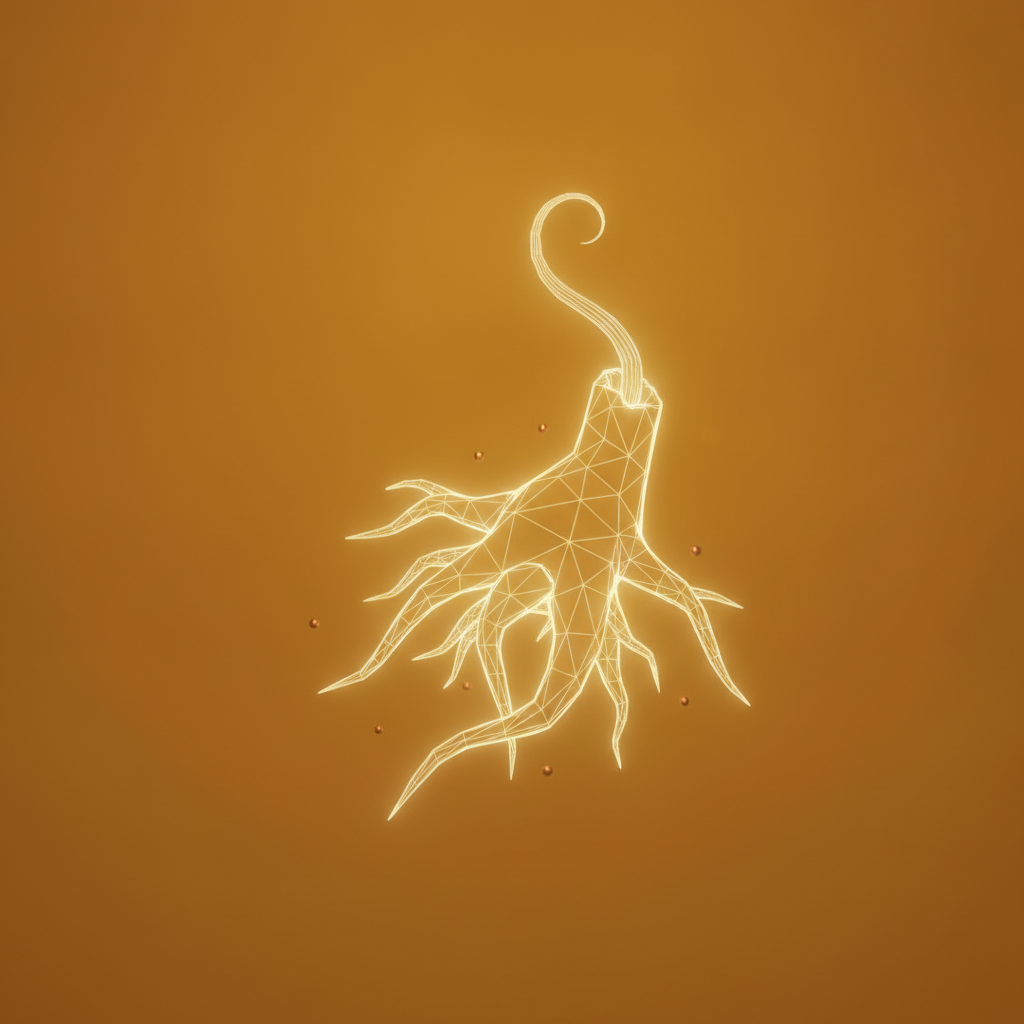
He shou wu doesn’t cure hair loss, but a 2026 laboratory-based review found it may support hair health through several mechanisms working together, including reduced DHT activity and increased IGF-1 signaling tied to the hair growth cycle.
Also known as fo-ti, or by its botanical name Polygonum multiflorum (now often reclassified as Reynoutria multiflora), the herb has circulated in Traditional Chinese Medicine for centuries as a tonic associated with hair and vitality. What’s notable about the 2026 findings is that they come from modern pharmacological research examining androgenetic alopecia specifically, not historical use alone, and that distinction matters, especially alongside the herb’s well-documented liver-safety concerns.
This guide covers what the research actually found, how the herb is typically used, common misconceptions, and, most importantly, who should avoid it or talk to a doctor first.
What the 2026 Research Actually Says
In June 2026, ScienceDaily reported on findings examining Polygonum multiflorum extract in the context of androgenetic alopecia, the most common pattern of genetic hair thinning in both men and women. Around the same time, a review published in the Journal of Holistic Integrative Pharmacy consolidated laboratory and preclinical evidence pointing to four mechanisms that researchers believe may work together rather than in isolation.
Four Proposed Mechanisms
- DHT modulation: Some compounds in he shou wu are associated with reduced activity of dihydrotestosterone (DHT), the hormone most closely linked to miniaturizing hair follicles in genetic pattern hair loss.
- Follicle regeneration support: Laboratory research suggests certain extracts may help support activity related to follicle regeneration, which plays a role in restarting stalled hair growth cycles.
- IGF-1 upregulation: The review points to increased signaling of insulin-like growth factor 1 (IGF-1), a growth factor associated with the active (anagen) phase of the hair cycle.
- Antioxidant support at the follicle level: He shou wu contains compounds with antioxidant properties that some researchers believe may help offset oxidative stress, a factor associated with premature follicle aging in existing literature.
It’s worth being precise about what this research does and doesn’t establish. These are largely laboratory, cell-culture, and animal-model findings rather than large-scale human clinical trials. That doesn’t make the results meaningless; this is how most botanical compounds are first evaluated before human studies follow. But it does mean he shou wu should be considered an area of ongoing research rather than an established hair-loss treatment. Nothing in this research suggests the herb reverses established genetic hair loss or replaces medically supervised treatment.
Safety First: Liver Risk, Raw vs. Processed, and Who Should Avoid It
Before considering he shou wu, it’s essential to understand its safety profile. This is the part of the story that gets skipped in many enthusiastic write-ups: he shou wu has documented case reports of hepatotoxicity (liver injury) in the medical literature, and how the herb is prepared matters significantly.
Raw vs. Processed He Shou Wu
Raw or unprocessed he shou wu (sometimes labeled sheng he shou wu) carries a higher documented risk of liver toxicity. It contains higher concentrations of anthraquinone compounds that researchers believe may contribute to liver stress in susceptible individuals.
Processed he shou wu (zhi he shou wu), traditionally steamed or simmered with black bean juice according to TCM preparation methods, is associated with a lower, though not zero, risk profile in the available case literature. Traditional processing is thought to reduce anthraquinone content, but processed forms have still been implicated in isolated hepatotoxicity case reports.
If you’re considering a supplement containing this ingredient, check the label or manufacturer documentation for whether it specifies processed (zhi) preparation. Products that don’t disclose the processing method are harder to evaluate for risk.
Who Should Avoid He Shou Wu or Talk to a Doctor First
- Anyone with an existing liver condition, including hepatitis, fatty liver disease, cirrhosis, or elevated liver enzymes
- Anyone taking medications with known hepatotoxic potential, including high-dose acetaminophen, certain statins, and methotrexate
- Heavy or regular alcohol users, given the added burden on liver metabolism
- Anyone who is pregnant or nursing; safety data is insufficient, and use should be avoided in these cases
- Anyone considering extended use, meaning beyond a few weeks, without medical supervision
For anyone using he shou wu under medical guidance, periodic liver function testing is a reasonable precaution, particularly for use beyond several weeks. Stop use and consult a doctor promptly if you notice symptoms such as unusual fatigue, yellowing of the skin or eyes (jaundice), dark urine, abdominal pain, or loss of appetite.
He shou wu is not something to self-prescribe for hair loss without factoring in liver health. The 2026 research on hair-related mechanisms does not change or override this established safety consideration.
How People Typically Use It
Common Forms
Where available, he shou wu shows up as capsules or tablets of standardized extract, loose or encapsulated powder, and as a component in some TCM tonic blends or teas. Processed (zhi) forms are generally considered the more traditional and cautious starting point compared with raw root.
What a Reasonable Approach Looks Like
- Talk to a healthcare provider first, especially if you take regular medication or have any liver risk factors.
- Choose processed (zhi) forms from a reputable source that discloses sourcing and preparation method.
- Start conservatively and follow label dosing rather than assuming more is better. There’s no research support for higher doses producing better hair outcomes.
- Reassess periodically. Hair growth cycles are slow, so meaningful change, if any, typically isn’t visible for several months, and ongoing use should be weighed against the safety considerations above.
Common Misconceptions About He Shou Wu and Hair Loss
“It’s a Natural Cure for Baldness”
No herb, including he shou wu, has been shown to cure or reverse established genetic pattern hair loss. The 2026 research points to supportive biological mechanisms, not a cure.
“Natural Means It’s Automatically Safe”
This is the misconception with the most real-world consequence here. He shou wu’s documented liver-toxicity case reports are a clear example of a plant-derived substance carrying genuine risk, independent of whether it’s labeled natural.
“Raw and Processed Forms Are Interchangeable”
They are not. As covered above, raw and processed (zhi) he shou wu differ meaningfully in their toxicity profile, and product labels don’t always make this distinction clear.
“If a Little Helps, More Will Help Faster”
There’s no research basis for this idea, and higher intake likely increases liver-related risk without a corresponding increase in benefit.
“This Replaces Medically Established Hair Loss Treatments”
He shou wu research is early-stage and largely preclinical. It isn’t positioned in the literature as a replacement for established, clinically studied approaches to androgenetic alopecia.
When It Is (and Isn’t) Right for You
He shou wu may be worth a conversation with your doctor if you’re generally healthy, have no liver risk factors, and are interested in exploring it as one small piece of a broader hair-health approach alongside, not instead of, medically evaluated options.
It’s likely not right for you if you have any liver condition, take hepatotoxic medications, drink heavily, are pregnant or nursing, or are looking for a fast, guaranteed fix. Genetic hair loss is a hormonal and follicular process. Expecting a single herb to reverse it sets up disappointment and risks liver strain for uncertain benefit.
Tools and Products That Can Support a Broader Hair-Health Routine
Because hair health is rarely about one ingredient, it’s often more useful to look at the broader picture alongside anything like he shou wu. Nutrient gaps involving iron, zinc, biotin, and vitamin D are a well-documented contributor to hair thinning, particularly in women, so a well-formulated multivitamin can be a reasonable foundational step. See our roundup of the best women’s multivitamins 2026 for options that cover these bases.
Chronic stress is also a recognized trigger for temporary hair shedding (telogen effluvium), separate from genetic pattern loss. If stress management is part of your picture, some readers look at cognitive-support supplements as part of a broader stress and focus routine. Our Mind Lab Pro review covers one option in that category, though it is not marketed or evaluated for hair-specific benefits.
Frequently Asked Questions
Does He Shou Wu Regrow Hair?
There’s no research establishing that he shou wu regrows hair in humans. The 2026 laboratory research identified biological mechanisms that may support hair follicle health, but this hasn’t been confirmed in large human clinical trials.
Is He Shou Wu Safe for the Liver?
Not universally. Raw or unprocessed he shou wu carries a documented higher risk of liver injury in case reports, and even processed (zhi) forms carry some risk. Anyone with liver conditions, hepatotoxic medication use, or heavy alcohol use should avoid it or consult a doctor first.
What’s the Difference Between He Shou Wu and Fo-Ti?
They’re the same plant. Fo-ti is the common Western supplement-industry name, while he shou wu is the name more widely used in Traditional Chinese Medicine and current research literature.
How Long Does It Take to See Results?
Hair growth cycles operate on a timeline of months, not weeks. Even in supportive research contexts, meaningful changes to hair health typically aren’t assessed before several months of consistent use, if at all.
Can I Take He Shou Wu With Other Hair-Loss Treatments?
Possibly, but this should be discussed with a doctor first, especially given the liver-safety profile and the potential for interactions with other treatments or medications.
Is He Shou Wu Regulated or Standardized?
No. As a dietary supplement in the US, UK, Canada, and Australia, it is not subject to the same pre-market safety and efficacy review as pharmaceutical treatments, and product quality, processing method, and potency can vary significantly between brands.
Bottom Line
The 2026 research on he shou wu and hair loss is genuinely interesting: a botanical with centuries of traditional use is now being examined through a modern pharmacological lens, and early findings point to several plausible mechanisms rather than one. But interesting early-stage research is not the same as a proven treatment, and the herb’s documented liver-toxicity risk in both raw and processed forms means it isn’t a decision to make casually. If you’re curious about it, the responsible path is a conversation with a healthcare provider who knows your liver health and medication list, a preference for processed (zhi) forms over raw, and realistic expectations about what it can and can’t do.